

Understanding the psychological triggers that keep gamblers coming back to casinos
The Allure of Reward and Reinforcement
The foundation of gambling lies in the psychology of reward and reinforcement. When players gamble, they experience varying levels of excitement, especially when they win. This feeling releases dopamine, a neurotransmitter linked to pleasure and reward, creating a cycle where winning reinforces the behavior. Interestingly, on platforms like /cowboyspin-ca.net, this cycle is so potent that even small wins can compel players to continue gambling, hoping for that euphoric high again.

The unpredictability of gambling outcomes further enhances this trigger. The intermittent reward schedule—where wins come irregularly—creates suspense and keeps players engaged. This mechanism is similar to how slot machines operate, leading players to believe that another spin could lead to a significant win, thus prolonging their time spent in casinos. This uncertainty can be addictive, drawing gamblers back into the environment repeatedly.
Moreover, casinos are designed to maximize this psychological effect. They use bright lights, engaging sounds, and enticing visuals to create an atmosphere where players feel alive and stimulated. This crafted environment amplifies the excitement of gambling, making it easier for individuals to lose track of time and money, encouraging them to return in pursuit of more rewards.
The Impact of Social Dynamics
Gambling is not merely a solitary endeavor; it involves significant social dynamics. Casinos often feature environments that promote social interaction, creating a sense of community among gamblers. This social aspect can serve as a powerful psychological trigger, as players enjoy sharing experiences, discussing strategies, and cheering each other on during games. This camaraderie enhances the overall experience, making it more than just about winning or losing.
The presence of other players can evoke feelings of competition and belonging. Many gamblers thrive in environments where they feel part of a group, leading to increased engagement in gambling activities. The social interactions can cloud judgments regarding spending limits and consequences, making it easier to return to the casino for that shared experience with others.
Additionally, casinos often host events, tournaments, or parties that further encourage social interaction. These events not only attract regular players but also entice new ones, fostering an inviting atmosphere where gambling is seen as a shared and enjoyable activity. The combination of social bonds and a vibrant atmosphere makes it difficult for individuals to resist returning to casinos.
The Role of Cognitive Dissonance
Cognitive dissonance is another psychological phenomenon that contributes to the allure of gambling. When gamblers experience a loss, they often rationalize their behavior by emphasizing past wins or dismissing the monetary losses as temporary setbacks. This mental conflict can lead them to continue gambling, hoping to “break even” or recapture previous winnings, thereby justifying their choices and minimizing feelings of regret.
This mindset can create a trap where gamblers convince themselves that the next game will be the one that changes everything. The drive to recover losses fosters a cycle of chasing, leading players to spend more time and money in casinos. The inner dialogue becomes a powerful motivator, compelling them to ignore the negative aspects of their gambling behavior.
Moreover, casinos often exploit this psychological trigger by using promotional offers such as free drinks, comp points, or bonuses that encourage further play. This strategy reinforces the gambler’s belief that they are closer to a breakthrough, making it easier for them to return despite previous losses. The continuous cycle of hope and dissonance keeps players engaged, increasing their loyalty to the casino.
The Seductive Power of Near Misses
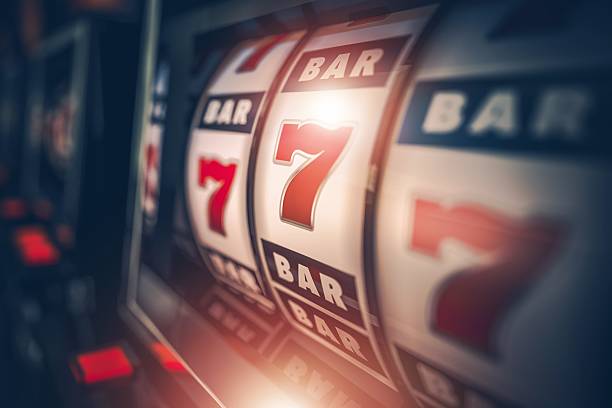
The phenomenon of “near misses” is a well-documented psychological trigger that keeps gamblers coming back. Near misses occur when players experience outcomes that are tantalizingly close to a win. For instance, if a player spins a slot machine and lands on two out of three symbols needed for a jackpot, it creates a feeling of almost winning. This effect can be more powerful than a straightforward win, prompting players to believe that victory is just within reach.
This illusion of closeness can drive players to continue gambling, as they may feel that they’re on the cusp of winning. Near misses can increase motivation and engagement, as they evoke a desire to “try one more time.” The psychological manipulation of these experiences can make gamblers feel that success is inevitable, encouraging repeated visits to the casino.
Furthermore, casinos are acutely aware of how near misses affect player behavior. Many gaming machines are specifically designed to incorporate this element, ensuring that players feel a rush from the prospect of winning. By reinforcing this belief, casinos create an environment where gamblers are compelled to return, often leading them to overlook the reality of their actual odds of winning.
Exploring Responsible Gaming and Support Resources
Understanding the psychological triggers behind gambling can shed light on responsible gaming and the importance of support resources. Casinos and online platforms recognize their responsibility to promote safe gambling practices, ensuring that players are aware of the potential psychological impacts of their actions. Many establishments provide tools such as self-exclusion programs and limits to help players manage their gambling habits.
In addition, there are numerous support resources available for those struggling with gambling addiction. Organizations dedicated to educating the public about the risks associated with gambling play a vital role in promoting awareness and offering assistance. These resources can help individuals understand their behaviors, empowering them to make informed decisions about their gambling activities.
Furthermore, fostering a culture of responsible gaming within casinos can lead to a more sustainable gambling environment. By prioritizing player well-being and offering educational resources, the casino industry can contribute to minimizing the negative psychological effects of gambling while encouraging healthy engagement. This approach promotes long-term player relationships based on trust and responsibility.